Honda Transmission Repair Service in North Charleston, SC
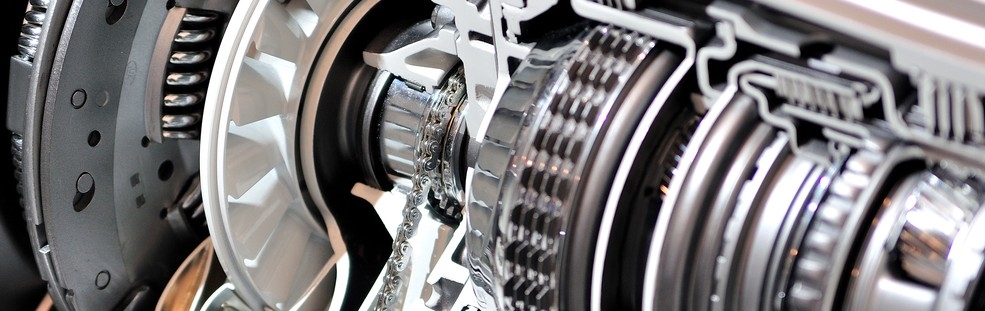
Feel the Difference Proper Transmission Repair Makes
A transmission rarely fails without warning, but its early signs, a faint shudder, a pause before the car moves or engine speed that climbs without matching road speed, are easy to dismiss. The transmission team at Stokes Honda North in North Charleston, SC works on all makes and models, including continuously variable transmissions and conventional automatics. Each appointment begins with a diagnosis that checks fluid condition, reads stored data and recreates the symptom on a road test. That way the repair targets the real cause, which is sometimes not inside the transmission at all. You hear what was found before any work is approved.
The Moving Parts Behind Your Transmission
Two very different designs sit between the engine and the wheels in today's cars. A conventional automatic uses sets of planetary gears, clutch packs and a torque converter, and it steps from one fixed ratio to the next as speed rises. A continuously variable transmission, or CVT, has no fixed steps at all; it uses a steel belt or chain running between two pulleys that change width to create a smooth, unbroken spread of ratios.
Because a CVT can hold the engine at its most efficient speed, the engine note may stay steady while the car gains speed, which feels unusual to drivers used to stepped shifts. Many newer CVTs are programmed with simulated shift points under harder acceleration so the experience feels more familiar. A conventional automatic, by contrast, is often chosen for larger vehicles that tow or carry heavy loads, where its torque converter and clutch packs handle sustained strain well.
- The torque converter lets the engine idle while the car stands still, and on many designs it locks up at cruising speed to cut slippage.
- A CVT's pulleys are squeezed against the belt by fluid pressure, so the fluid's condition directly affects how firmly the belt is gripped.
- Clutch packs in a conventional automatic engage and release in sequence, and worn friction material shows up as a flare in engine speed during a shift.
- A transmission control module reads vehicle speed, throttle position and fluid temperature to decide how and when to shift or change ratio.
- Transmission fluid is formulated for each design, and a CVT fluid and a conventional automatic fluid are not interchangeable.
Fluid is the lifeblood of both designs. It lubricates, cools, carries hydraulic pressure and, in a CVT, provides the precise friction the belt needs against the pulleys. As fluid ages, its friction properties change and fine wear material builds up, and the transmission can begin to feel less smooth long before anything breaks.
Some owners are told transmission fluid lasts for the life of the vehicle and never needs attention. Some manufacturers describe their fluid as long-life, but that label assumes gentle conditions, and towing, heavy loads and frequent stop-and-go driving all shorten its useful life. Checking the fluid's condition, not just its level, is how a technician decides whether it is still doing its job. Fresh fluid at the right moment does more for transmission health than almost any other habit.
Why Transmission Problems Rarely Fix Themselves
Most transmission trouble starts with heat, worn fluid or a fault in the controls. Heat from towing or long climbs breaks fluid down, worn fluid lets clutches and belts slip, and a faulty sensor or solenoid can send the wrong instructions to perfectly healthy hardware.
The symptoms differ between the two designs. A conventional automatic may slip, flare or bang between shifts, while a CVT is more likely to shudder at light throttle, whine, or let engine speed rise without the matching gain in road speed. Both can show delayed engagement, a pause after you select drive or reverse before the vehicle begins to move.
- A shudder at light acceleration, felt like driving over rumble strips, can point to torque converter clutch trouble or to a CVT belt and pulley problem.
- A pause of more than a moment after shifting into drive or reverse often means low fluid pressure or worn internal seals.
- Engine speed that rises sharply without the car speeding up is the classic sign of slipping in either design.
- A whine or hum that changes with road speed, not engine speed, can come from bearings inside the transmission or a CVT under strain.
- Fluid that smells burnt or looks dark and cloudy suggests heat damage that deserves a closer look.
Some symptoms blamed on the transmission actually come from elsewhere. An engine misfire can feel like a shudder, and a worn wheel bearing can hum like a tired transmission. A manufacturer software update can also change shift quality on some models, so a technician checks for one before any hardware is condemned.
Catching a problem early widens the choices. A fluid service or software update may settle a mild shudder, while a transmission that keeps slipping can damage its own internal parts and turn a modest repair into a rebuild or replacement. Scheduling at the first sign keeps the simpler options on the table.
Transmission Services for Drivers in North Charleston
Both CVTs and conventional automatics are covered below, from first diagnosis through fluid service and repair.
CVT Performance Diagnosis
CVT complaints such as shudder, whine or a rubbery feel are first recreated on a road test. The technician reads stored codes and live data, including pulley pressures and fluid temperature where the software provides them. Fluid condition is checked against the specification for that transmission. You get an explanation of whether the cause is fluid, software, a sensor or internal wear before any repair is quoted.
Automatic Transmission Shift Repair
Harsh shifts, flares and delayed engagement in a conventional automatic are traced to fluid, controls or internal parts. Solenoids, sensors and wiring are tested before anything inside the case is condemned. Where the manufacturer offers a software update or a shift relearn procedure, it is applied as part of the repair. Internal repairs or a replacement unit are discussed with you, with the reasons and an estimate laid out first.
Transmission Fluid Exchange
The fluid is drained and refilled with the exact type your transmission requires, and the level is set at the temperature the procedure specifies. Some designs need more than one drain and fill to replace most of the old fluid, and the technician follows the method set for your model. Filters or screens are replaced where the design allows access. Vehicles used for towing or heavy loads are a good fit for this service.
The Steps Behind Every Transmission Repair Visit
A transmission appointment starts with how and when the symptom shows up. Your advisor asks whether it happens when cold, after a long run on I-26 or while crawling through the stoplights on US-52, and whether it changed after a recent tow or heavy load. Those details shape the road test, which tries to recreate the exact conditions you describe.
Picture a driver who hears a heavy clunk as the shifter moves from park into drive and fears the transmission is failing. Fluid and shift data check out normal, and the clunk turns out to be a torn engine mount letting the whole powertrain lurch as the gear engages. Replacing the mount ends the clunk, while a transmission rebuild would have cost far more without touching the real problem.
- The road test covers cold and warm operation, light and heavy throttle, and engagement into drive and reverse from a stop.
- Stored codes and live readings such as fluid temperature and slip values are pulled with a scan tool.
- Fluid is checked for level, color, smell and debris, since burnt fluid or metal particles change the repair plan.
- Findings come with a written estimate, and work starts only after your approval.
After the repair, the transmission is filled and the level is set to the procedure's specification. Many modern units need an adaptive relearn so the control module learns the new parts or fluid, and the technician performs it with a scan tool and a guided drive. A final road test confirms smooth engagement and clean, steady response.
All makes and models are welcome, from small CVT commuters to work trucks with conventional automatics. When the schedule and parts allow, fluid services and many control repairs are completed the same day, while internal repairs take longer and your advisor sets the timeline at the start.
How Stokes Honda North Handles Transmission Repair Near North Charleston
Factory-trained technicians at Stokes Honda North work regularly with the CVT found in many Civic, Accord, CR-V and HR-V models and the conventional automatic used in the Pilot, Passport, Odyssey and Ridgeline. With Honda diagnostic software they read transmission data, check for software updates and perform the relearn procedures these units call for after service. Fluid type and fill procedure are confirmed by VIN, since Honda's CVT fluid and its automatic transmission fluid are different products.
Transmission timing depends heavily on the diagnosis, so a completion window is given once the cause is known. A fluid service is usually a short stay, while internal repairs or a replacement unit take longer, and you hear which applies before any work begins.
- Owners who tow with a Pilot, Passport, Odyssey or Ridgeline can ask about fluid service suited to that heavier use.
- Honda software updates for transmission control, where one is available for your model, are checked during the diagnosis.
- Genuine Honda transmission fluid is available to match the friction properties each unit was designed around.
Find Stokes Honda North in North Charleston, SC
From North Charleston and Beyond
Long runs on I-26 toward Ladson and Summerville and the stop-and-go stretches of US-52 out toward Goose Creek ask different things of a transmission, steady cruising heat on one and constant engagement on the other. Drivers from Moncks Corner to West Ashley bring CVTs and automatics to Stokes Honda North when either kind of driving begins to show.
- Goose Creek, SC
- Moncks Corner, SC
- Summerville, SC
- Ladson, SC
- Hanahan, SC
- Lincolnville, SC
- Mount Pleasant, SC
- West Ashley, SC
A short road test with a technician is often the quickest way to put a name to a strange shift.
Helpful Answers on Transmission Care
These answers cover the transmission questions drivers bring to our service desk most often.
Q: Is it normal for a CVT to feel different from a regular automatic?
Q: Can I tow with a vehicle that has a CVT?
Q: What does it mean if my car hesitates before moving after I shift into drive?
Q: Should transmission fluid be flushed or drained and filled?
Q: Can a software update fix a transmission problem?
Let the service desk know when the shudder, slip or delay shows up and how the vehicle is usually loaded, and an advisor will explain what the diagnosis includes.
Clear details about the symptom speed up the diagnosis.
Make Time for Transmission Repair at Stokes Honda North
Transmission problems tend to feed on themselves. Slipping creates heat, heat breaks down fluid, and degraded fluid leads to more slipping and wear. Booking at the first shudder or delay often keeps the repair to fluid, software or a single part.
Your advisor explains the findings and provides a written estimate for each recommended step. You choose what happens and when, and no work begins without your approval.
Set up a transmission check online, by phone with Stokes Honda North or in person at the service lane. An early look is the simplest way to protect one of the most complex parts of the vehicle.
Service Specials



Wild Card Savings

Four Wheel Alignment
Alignments are crucial to ensuring that you get the longest life out of your tires.
10% Off Brake Job

$25 Off Any Flush
Brake Flush Coolant Flush Transmission Flush Power steering flush Rear diff Fuel Injection Flush