Honda Brake Repair Service in North Charleston, SC
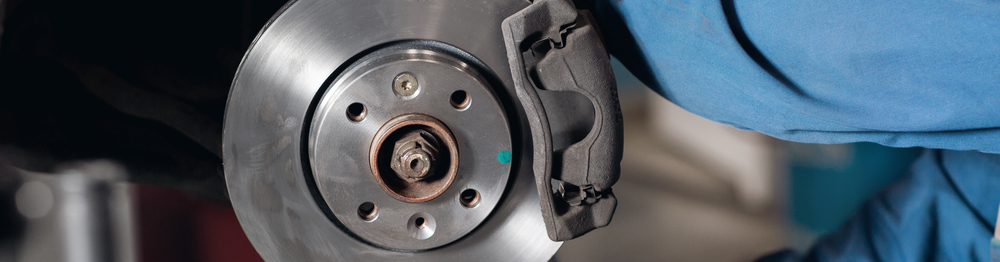
Drive With Confidence in Your Brakes Again
A minivan packed with kids, gear and a cooler asks far more of its brakes than the same van driving empty, and the first hint is often a squeal or a pedal that feels less eager than it did. The brake department at Stokes Honda North in North Charleston, SC repairs all makes and models, small commuters and three-row haulers and pickups alike. Each visit starts with a diagnosis that looks at how hot the brakes have been running, how the pad hardware is holding up and what condition the fluid is in. Only after the cause is clear does a technician suggest parts. That order keeps the repair aimed at the noise or feel that brought you in.
A Plain-Language Guide to Your Brakes
Brakes are heat machines. Slowing a moving vehicle means turning its motion into warmth at the rotors, and the heavier the vehicle, the more warmth each stop creates. A family hauler with every seat filled and the cargo area loaded can carry far more weight than the same vehicle on a solo commute, so its pads and rotors work harder on each stop.
That warmth has to go somewhere between stops. Vented front rotors pull air through passages cast inside them, and open wheel spokes help carry heat away, but steady braking without a pause gives the parts little time to cool. When temperatures climb faster than they fall, the friction material begins to lose bite and the fluid inside the calipers warms right along with it.
- Shims bonded to the back of each pad damp the tiny vibrations that turn into squeal, and they can wear, harden or shift over the life of the pad.
- Stainless clips seated in the caliper bracket let each pad glide as it applies and retreats, and a clip that loses its tension lets the pad chatter.
- Pad compounds differ in how much heat they tolerate, how much dust they shed and how quietly they run, so the right choice depends on the vehicle and its usual load.
- The brake booster multiplies the effort from your foot, which is why a heavy vehicle stops with ordinary pedal pressure until the parts at the wheel begin to fade.
- Electronic brake force distribution sends more pressure to the rear brakes when weight in the back seats and cargo area presses the rear tires harder into the road.
Brake fluid is the quiet partner in all of this. It is formulated to stay liquid at high temperatures, yet it slowly gathers moisture through seals and hose walls, and each bit of water lowers the point at which it boils. Fluid that boils inside a hot caliper forms vapor pockets that compress, and the pedal sinks further just when the brakes are working hardest.
Many owners believe a squeal always means the pads are worn out. Plenty of squeal comes from pads with lots of life left, where a shim has slipped, a clip has lost its spring or the contact points have run dry. Swapping pads without addressing that hardware can bring the same noise back within weeks. Treating the hardware as part of the job is often what keeps a brake repair quiet.
When to Book Brake Repair
Heavy loads and long stretches of braking are the two things that push brake temperatures highest. A loaded vehicle creeping through stop-and-go traffic, or riding the pedal down a long grade on a road trip to the mountains, can heat the pads past the point where they grip well.
Heat leaves clues behind. Rotors can show blue or straw-colored tints, pads can develop a hard, shiny face that grips poorly, and fluid that has boiled once tends to be darker and weaker than fresh fluid. A driver usually notices those changes as a longer stop, a sharp smell or a pedal that does not feel the way it used to.
- A sharp, acrid smell after a long descent or a slow crawl in traffic means the pads ran very hot and may have started to glaze.
- A pedal that slowly travels farther during a long, steady stretch of braking can mean the fluid is close to its boiling point.
- A high, steady squeal that fades when you press the pedal often points to loose or worn pad hardware, not to thin friction material.
- A vehicle that feels reluctant to roll after a stop, as if something is holding it back, can have a pad that is not retreating from the rotor.
- Brakes that feel strong in the morning yet weaker by the end of a long, crowded drive are showing heat fade, not simple wear.
Not every brake complaint traces to brake parts. An overloaded cargo area, low tire pressure or a sagging rear suspension can make a heavy vehicle dip and wander during a stop, which can feel like weak brakes even when the pads and fluid are sound. The technician checks how the vehicle sits and carries its load along with the brake parts themselves.
Scheduling at the first squeal or the first long stop protects more than the pads. Glazed pads can be replaced before they harden the rotor surface, and tired fluid can be exchanged before it boils on a busy drive. A short check also tells you whether your current pad choice suits the way your vehicle is loaded day to day.
Brake Care Available at Stokes Honda North
Brake work here ranges from quieting noisy hardware to heat-related pad and rotor repair and fluid testing on all makes and models.
Squeal and Pad Hardware Correction
A technician first road tests the vehicle to hear when the noise starts and when it stops. The wheels come off so the shims, clips and contact points can be inspected alongside the pads. Worn or missing hardware is replaced, and the contact points are coated lightly with a brake lubricant made for high heat. You hear what caused the noise and what was done to quiet it before the vehicle goes home.
Heavy-Load Pad and Rotor Repair
Vehicles that carry full rows of passengers or regular cargo can benefit from pads suited to higher heat. We look at the rotor faces for heat tint, glazing and uneven wear before deciding whether they can stay. Pads are matched to the vehicle and the way it is used, and new parts are seated with a controlled series of stops. Your advisor explains the trade between quiet running, dust and heat tolerance so the choice fits how you drive.
Brake Fluid Condition and Exchange
Fluid is tested for moisture content or boiling point, depending on the tester used, so the result is a reading and not a guess from color. If the reading shows aged fluid, the old fluid is flushed out of the lines and calipers and replaced with fresh fluid of the correct grade for your vehicle. The pedal is checked for height and firmness afterward. Hoses are inspected for bulges or cracks while the wheels are off.
A Diagnosis-First Approach for Drivers Near North Charleston
A brake visit starts with a conversation about how the vehicle is used. Your advisor asks whether it often carries a full load, whether the noise or soft feel shows up in crawling traffic on I-526 or near the end of a long trip, and whether it changes once the brakes cool. Those answers shape the road test that follows.
Picture a driver who notices a rapid buzz through the pedal while easing to a stop over rough pavement in a parking lot near Northwoods Mall and books new rotors. The rotors turn out smooth and true, and the buzz is the anti-lock system stepping in early because a wheel speed sensor reads poorly through a coat of grime. Cleaning the sensor and its tone ring, then confirming the readings with a scan tool, ends the buzz with the original rotors still in place.
- The road test includes both a light stop and a firm one, and on a heavy vehicle the technician notes whether the feel changes as the brakes warm.
- Each pad is checked for glazing, cracks and uneven taper, and its shims and clips are inspected in the same pass.
- Fluid is tested with a meter or strip, and the reading is written on your inspection sheet.
- Every recommendation comes with a reason and a written estimate, and no work begins until you approve it.
Once repairs are done, the technician presses the pedal several times to bring the pistons out against the new pads and confirms a firm, high pedal. New pads are seated with a series of moderate stops that build heat gradually, and the wheels are tightened to specification in a cross pattern. A closing road test confirms the stop is quiet, straight and steady.
Our bays take Hondas and every other brand alike, so all makes and models are welcome for brake work. When the schedule and parts allow, the job can wrap up the same day, and a part that must come from a supplier is flagged when the vehicle is written up.
Factory Knowledge for Every Make at Stokes Honda North
The factory-trained technicians at Stokes Honda North see the heaviest Hondas often, including the Odyssey and Pilot hauling full rows of passengers and the Ridgeline and Passport carrying gear for the weekend. Honda diagnostic software lets them read wheel speed sensor data, test the anti-lock system and place the electronic parking brake into service mode on equipped models. Pad, rotor and fluid specifications are confirmed by VIN, so a Civic and an Odyssey each get parts built for their weight.
Timing depends on what the inspection finds, so a pickup time is promised only after the technician has seen the parts. Hardware and fluid work tends to move quickly, while a caliper on back order adds time, and you are told which case applies before work starts.
- Honda's own brake parts can be ordered for owners of an Odyssey, Pilot or CR-V who want the pedal to feel the way it did when the vehicle was new.
- After brake work on a Honda Sensing model, the technician confirms no warning messages remain for the collision mitigation braking system.
- Loaded family vehicles get a note on pad choice, so the next set can be matched to how the vehicle is actually used.
Find Stokes Honda North in North Charleston, SC
Drivers Beyond North Charleston Welcome Too
Traffic on I-526 between I-26 and the Cooper River can turn into long stretches of slow, start-and-stop driving, and weekend crowds around Northwoods Mall add many short stops of their own. Drivers from Summerville to Daniel Island bring their loaded family vehicles to Stokes Honda North when those miles begin to show up as noise or a softer pedal.
- Summerville, SC
- Ladson, SC
- Goose Creek, SC
- Mount Pleasant, SC
- Daniel Island, SC
- Hanahan, SC
- Charleston, SC
- West Ashley, SC
Mention how full the vehicle usually rides when you book, since load changes what the technician looks for.
Things Drivers Wonder About Brake Repair
These answers cover the brake questions that come up most for drivers who carry heavy loads or sit in long traffic.
Q: Do my brakes wear faster when I carry a full load of passengers?
Q: What is brake fade?
Q: How can I keep my brakes cooler on a long downhill grade?
Q: Can a squeal be fixed without replacing the pads?
Q: What should I do if the brakes smell hot after a drive?
When you phone the service desk, describe the noise, the smell or the pedal feel and how loaded the vehicle was, and an advisor will outline the checks the technician plans.
Details about load and traffic help the technician plan the road test.
Book Brake Repair at Stokes Honda North
Heat damage builds on itself. Glazed pads grip less, so the driver presses harder and creates more heat, and fluid that has boiled once is more likely to boil again. Booking at the first squeal or softer pedal keeps that cycle from reaching the rotors and calipers.
Findings are sorted into what affects stopping today and what can be planned for later, each with its own written estimate. The approval for every item stays with you.
A loaded family vehicle stops well when its brakes get attention early. Request a brake check through our website or the Stokes Honda North service desk.
Service Specials



Wild Card Savings

Four Wheel Alignment
Alignments are crucial to ensuring that you get the longest life out of your tires.
10% Off Brake Job

$25 Off Any Flush
Brake Flush Coolant Flush Transmission Flush Power steering flush Rear diff Fuel Injection Flush